Strategic Steps to Plan, Select, and Maintain Your Home HVAC System
Initially, sketch out what comfort looks like for your household across the entire year, not just peak summer or winter. Define target temperatures, acceptable humidity ranges, and noise tolerance. Then assess the home’s layout, insulation, and window orientation. This groundwork frames system capacity, duct routing, and zone needs. Clear goals also help you compare proposals on shared criteria, narrowing choices to solutions that genuinely fit your living patterns.
Next, scope your load accurately using recognized sizing methods rather than guesswork. Square footage alone won’t cut it; ceiling height, infiltration, sun exposure, and occupancy matter. Ask for a documented load calculation and verify assumptions. Right-sized equipment improves efficiency, temp stability, and longevity. Undersized units run constantly, while oversized ones short-cycle, compromising humidity control and system health. Proper sizing also affects duct design, static pressure, and filter selection.
Meanwhile, think through ductwork as a system, not just a set of passages. Leaks, kinks, and poor transitions create pressure penalties that rob capacity and elevate noise. Seal and insulate ducts where appropriate, and validate airflow room by room. Balanced distribution reduces hot and cold spots and can shrink overall energy use. Good airflow design pairs with correct registers and returns, avoiding bottlenecks that force the blower to work harder than intended.
Beyond that, plan for Indoor Air Quality from day one. Filtration, ventilation, and humidity control form a three-part strategy. Choose filter media that match your allergy sensitivity without starving airflow. Evaluate mechanical ventilation for stale areas or high-occupancy zones. Consider dehumidification or humidification to keep relative humidity within a comfortable band. By integrating IAQ early, you reduce callbacks later and ensure cleaner, quieter, steadier comfort.
In practice, your equipment menu spans furnaces, air handlers, central air, and Heat Pumps, with hybrid options blending strengths. Compare efficiencies alongside serviceability, parts availability, and warranty terms. Then align equipment with fuel sources, utility rates, and grid reliability in your area. Climate patterns influence defrost strategies, auxiliary heat sizing, and condensate management. A thoughtful selection process helps stabilize bills while supporting consistent comfort through shoulder seasons.
However, installation quality often determines more than the nameplate efficiency. Verify line set cleanliness, proper brazing, and nitrogen purges to protect compressors. Insist on accurate refrigerant charging using manufacturer methods and ambient corrections. Confirm condensate routing and traps to prevent overflows. Document static pressures and temperature splits after startup. When these steps are followed, systems meet their design performance and require fewer service visits over time.
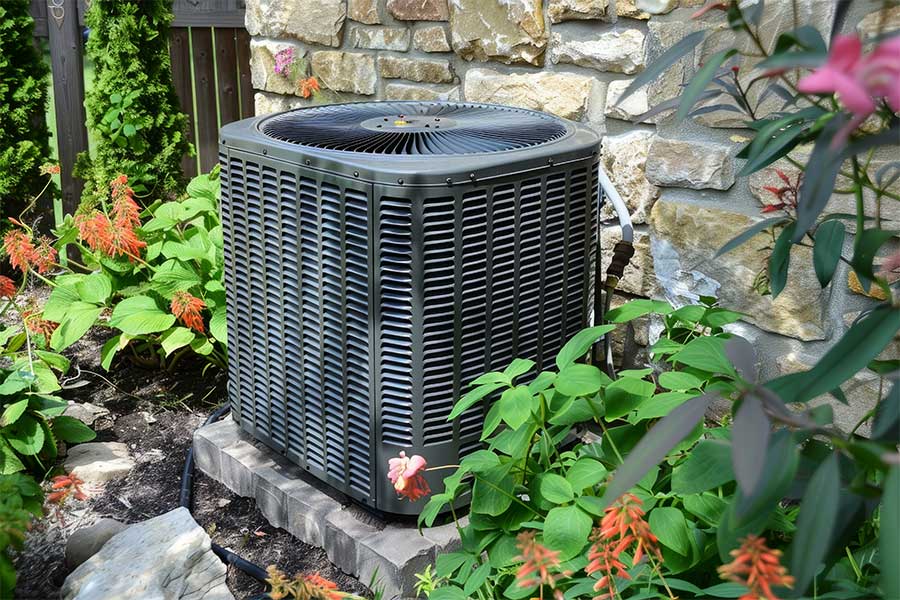
Often, noise control deserves its own pass. Place outdoor units away from bedrooms, buffer with proper clearances, and avoid reflective corners. Indoors, isolate air handlers with vibration pads, and refine duct transitions to reduce turbulence. Select blower profiles that match duct capacity, and calibrate fan speeds to curb whistling grilles. Quiet systems make setpoints feel more comfortable, because even small drafts seem gentler when the background sound is tamed.
Then map a maintenance rhythm that anticipates seasons rather than reacting to failures. Replace or wash filters on a schedule matched to usage and environment. Inspect coils, drains, and electrical connections annually, and validate safeties. Document each visit so trends emerge early, like declining airflow or widening temperature splits. Routine service sustains performance and can prevent costly surprises during heat waves or cold snaps when parts and appointments are scarce.
Finally, plan for lifecycle touchpoints. Budget for eventual compressor or blower replacements, and set aside time for duct inspections after renovations. Keep manuals, serials, and installation photos in one folder to streamline future Air Conditioning Installation and Repair or Heating Installation and Repair decisions. If you relocate a thermostat or add zones, reassess duct balance and controls. Small, well-documented changes keep the whole system aligned with your evolving home.
Ultimately, a steady, methodical approach ties everything together. Start with clear comfort targets, validate sizing, and treat airflow as a first-class design element. Choose equipment that suits climate and utilities, and verify commissioning data at handoff. Maintain on a cadence that preserves efficiency and dependability. With these habits, your HVAC investment delivers calm, predictable comfort across seasons, minimizing disruptions while adapting to the way you actually live.